Most guys don’t get told the truth about style and size. They get sold stretchy pants and “relaxed fit” like that’s the best it gets. Nobody sits them down and says hey, the clothes were the problem, not you.
That matters. Because a lot of big men have spent years avoiding mirrors, skipping events, or just grabbing whatever fits without asking if it actually looks good. That’s not a body problem. That’s a wardrobe problem with a real solution.
Style is about knowing what works for your frame. Full stop. Tall, short, wide, slim, every body type has cuts, colors, and combinations that make it look sharp. Big men are no different.
Clothes that fit right change how you carry yourself. Not just how others see you but how you see you. That shift is bigger than people expect.
Ready to build a wardrobe that actually works? These ideas are a solid place to start.
15 Big Men Fashion Ideas That Prove Style Has No Size Limit
1. The Well-Fitted Dark Wash Straight-Leg Jean
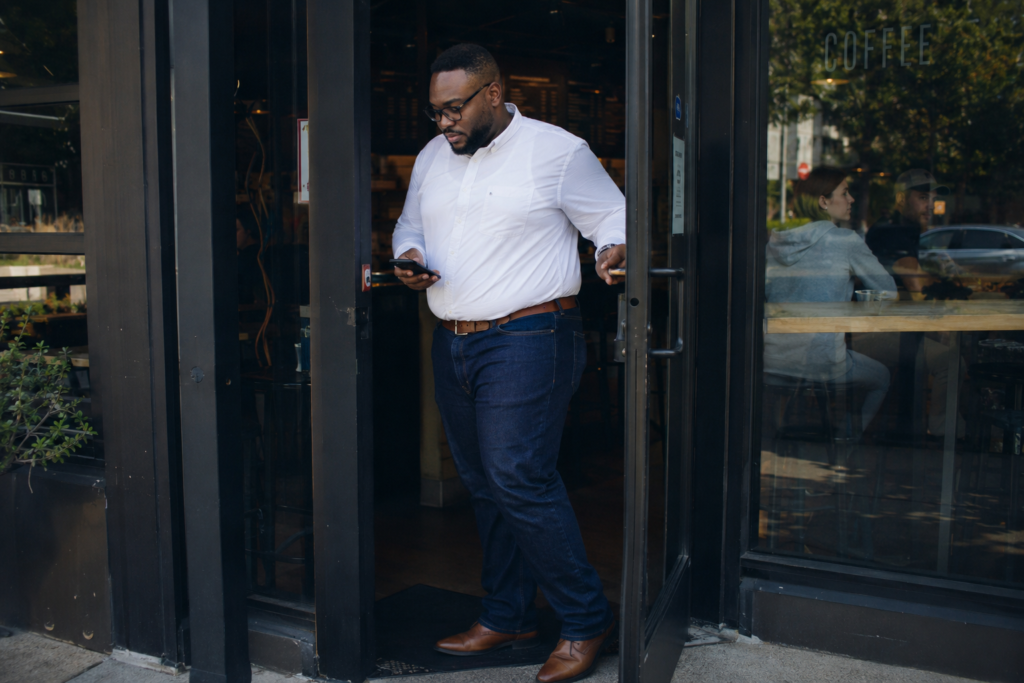
Denim does a lot of the heavy lifting in a man’s wardrobe, but most big guys are still wearing the wrong cut. Baggy jeans add bulk where you don’t need it. Dark wash straight-leg jeans sit differently.
The dark color runs the eye vertically, and the straight cut gives the leg a clean line without squeezing. No stretch panels needed. Just a proper rise that sits at your actual waist, not below it, and a hem that breaks right at the shoe.
Most men buy jeans too long and never get them hemmed. That extra fabric bunching at the ankle kills the whole look before it starts.
Save for later: 20 Plus Size Groom Outfits That Are Absolutely Breathtaking
2. The Fitted Polo Shirt With a Proper Sleeve Length
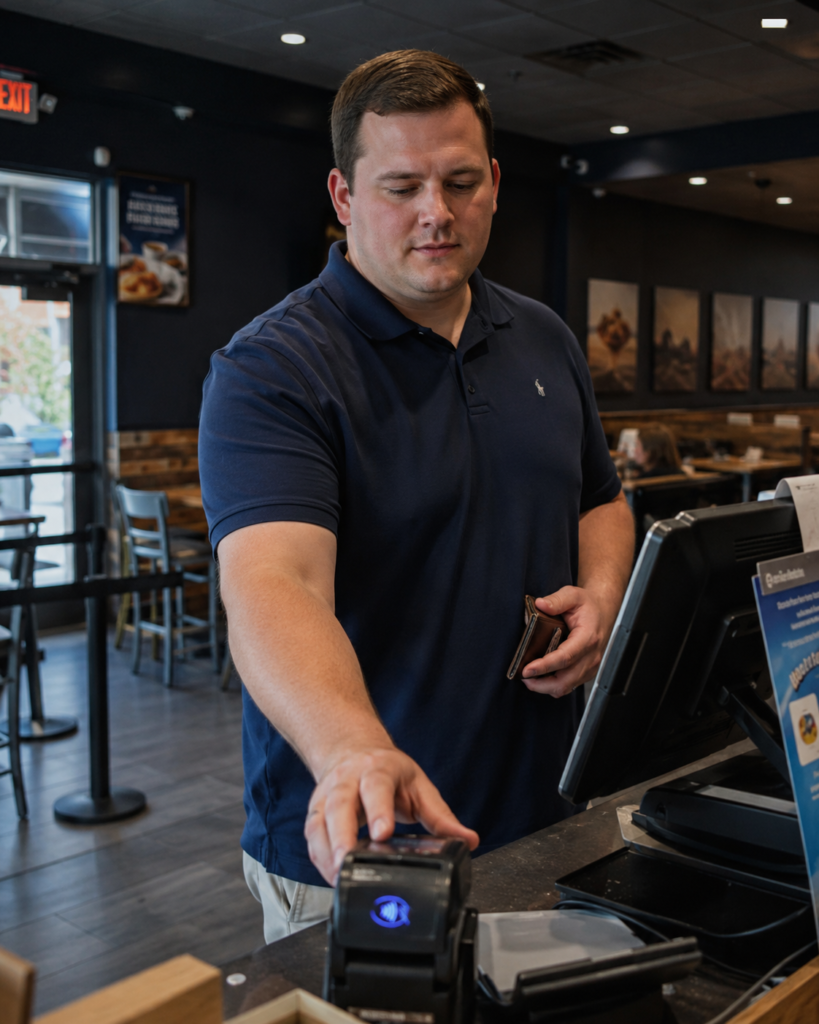
Polo shirts get a bad reputation because most guys wear them in the wrong size. Too big and the shirt drapes like a tent. Too small and the buttons pull and the chest looks strained.
Fitted means the shoulder seam sits at the shoulder, the chest has room without excess fabric, and the sleeve hits at mid-bicep without cutting into the arm. That sleeve length is the detail most men overlook. Short sleeves that ride up to the armpit make arms look shorter and wider than they are.
Skip polos with a very short placket. A longer button line visually lengthens the torso, which matters on a broader frame.
3. The Slim-Cut Blazer in a Textured Fabric
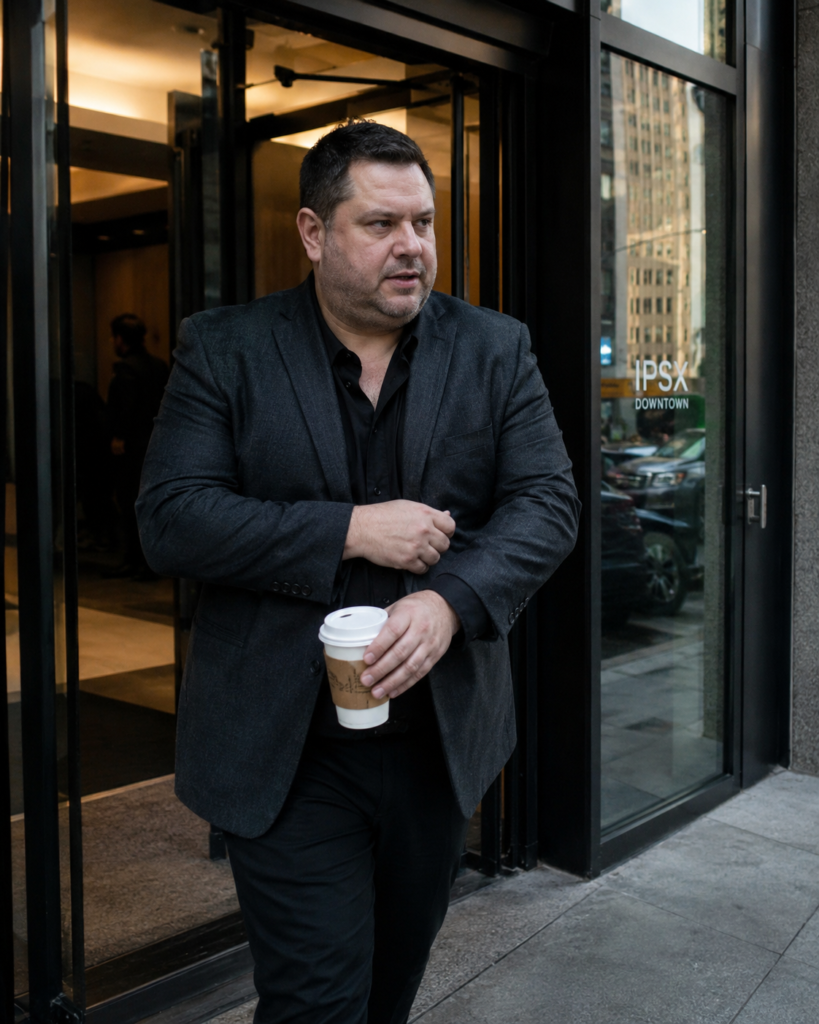
Many big men avoid blazers because the ones they tried never fit. Too tight across the back, too boxy through the body, or buttons that want to pop. A slim-cut blazer in a textured fabric like twill or a soft wool blend holds its structure better than flat smooth fabrics, which tend to stretch and lose shape.
Charcoal or dark navy reads as sharp without requiring a full suit. Single-button or two-button fronts work best. The jacket should close without tension and the back should lie flat when you move.
Never button a blazer at the bottom button. On a broader torso it creates a pinching point right at the widest part and ruins the whole line.
Bookmark for later: Plus Size Men Street Style Looks to Steal Right Now
4. The Straight-Leg Cargo Pant in an Olive or Army Tone
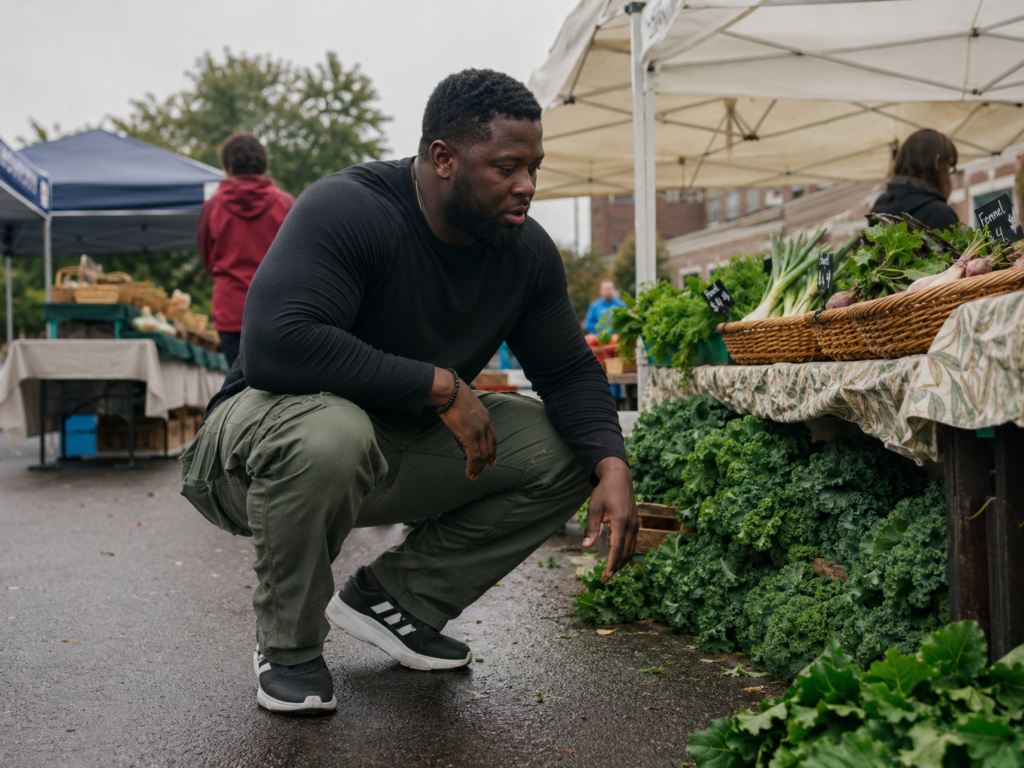
Cargo pants got written off as sloppy, but that reputation belongs to the oversized, low-rise version from twenty years ago. Straight-leg cargo pants in an army or olive tone are a completely different item. They sit at the natural waist, run clean through the thigh, and the side pockets lie flat rather than puffing outward.
That flat pocket detail is what separates a sharp cargo from a messy one. Olive and army tones are easy to build around because they sit in neutral territory without being as plain as grey or beige.
The error most men make is loading the pockets. Full side pockets pull the fabric outward at the widest point of the thigh and wreck the silhouette completely.
5. The Structured Chore Coat in a Neutral Tone
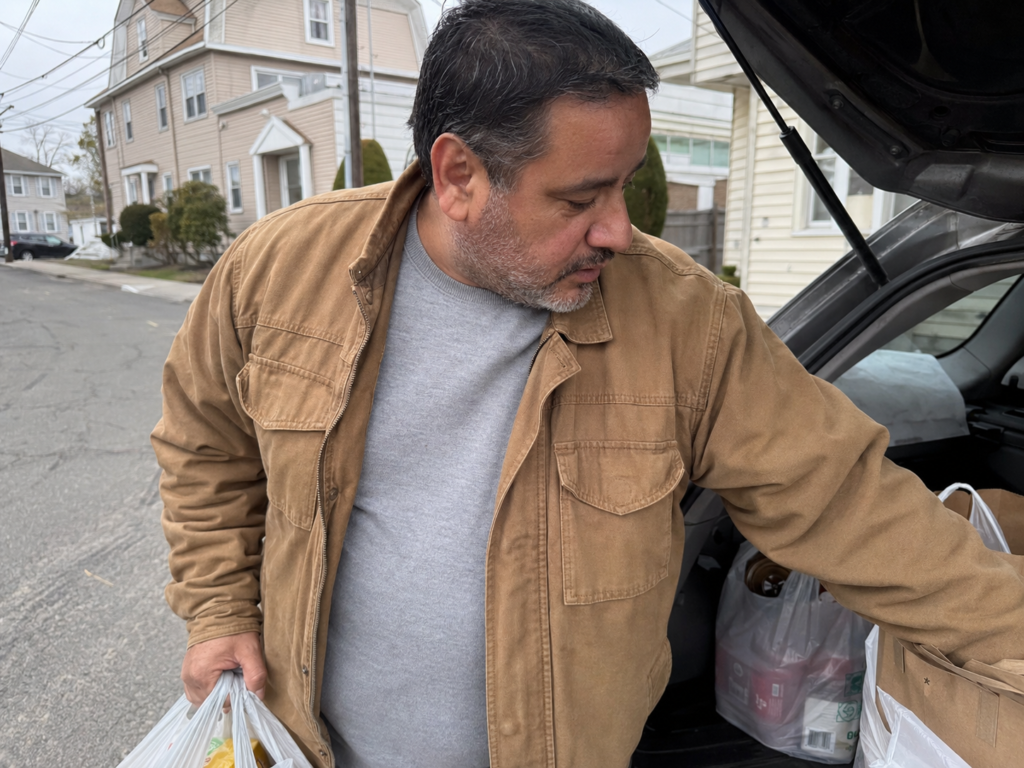
A lot of big men skip layering because they think more fabric means looking bigger. That thinking costs them one of the sharpest tools in the wardrobe. A chore coat works because it has structure without being a suit jacket.
The boxy cut doesn’t pull across the back or bunch at the arms. Neutral tones like tan, olive, or stone keep it easy to pair with almost anything underneath. The key is shoulder seams that actually sit at your shoulders, not hanging halfway down your arm.
Avoid chore coats with chest pockets that sit too high. They draw the eye upward and make a broad chest look wider than it is.
6. The Long-Line Henley in a Solid Dark Color
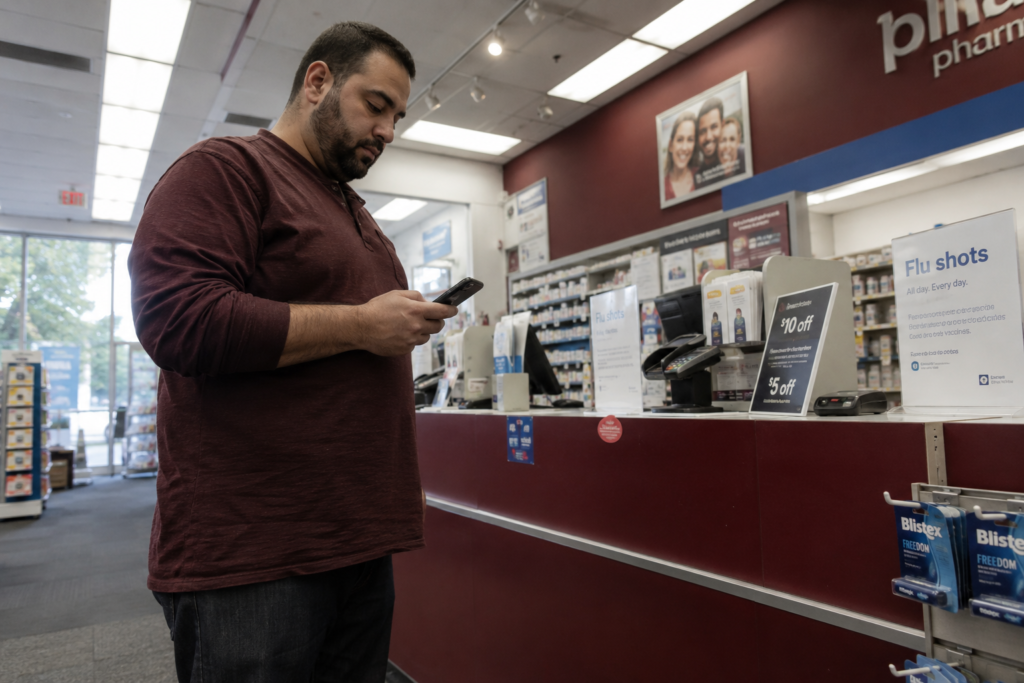
Shirts that end at the widest part of the stomach draw a line right across the midsection. That’s the last place you want the eye to stop. A long-line henley solves this by dropping past the hip, which moves the visual break point down and creates a longer, cleaner silhouette.
Dark solid colors like burgundy, navy, or charcoal keep it from looking oversized. The button placket at the chest adds structure without requiring a collar. Fabric with a little weight holds its shape better than thin cotton, which tends to cling.
Wearing a long-line shirt over pants with a very low rise defeats the purpose. The proportions need the trouser to sit at the natural waist to work correctly.
Save for later: Tailored Business Casual Outfits for Plus Size Men That Actually Fit
7. The Monochrome Outfit in a Mid-Tone Color
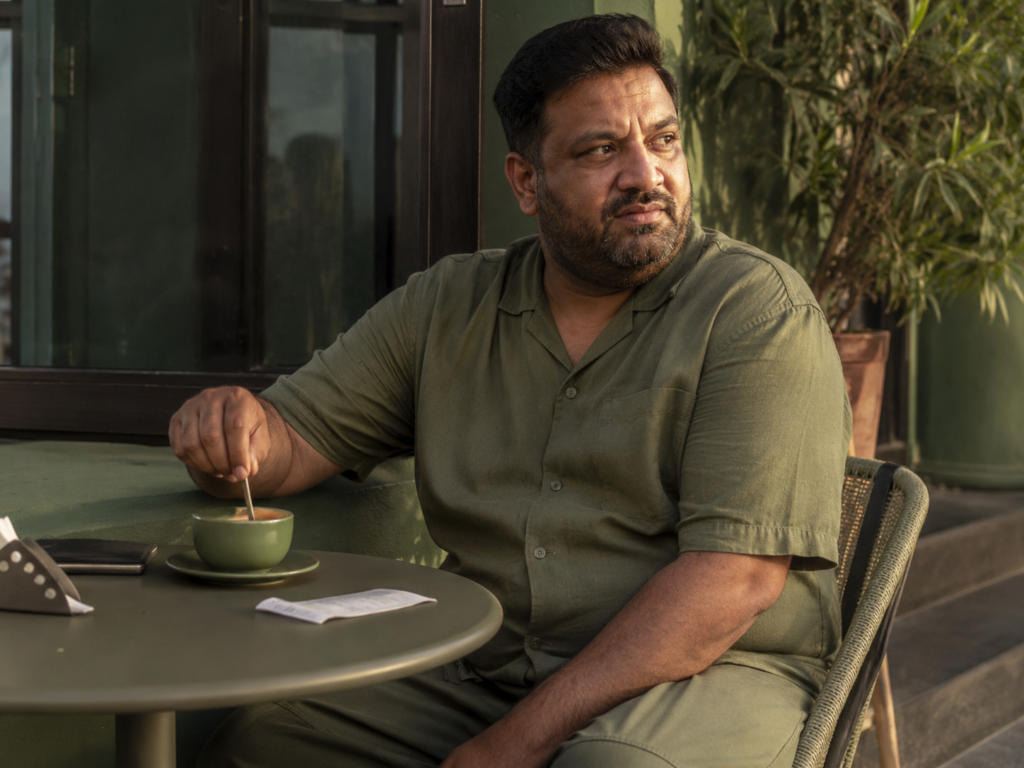
Wearing one color head to toe sounds like a risk. It isn’t. Monochrome dressing creates a single unbroken line from top to bottom, and that line makes the body look longer and more put together without trying hard. Mid-tones do this better than extremes.
All black can read as deliberate and heavy. All white shows everything. Shades like slate blue, olive, burgundy, or camel give you the same lengthening effect with more visual interest. Fabric texture is where variety comes in when color stays consistent.
The mistake is mixing shades that are close but not matching. Near-matches look accidental. Commit fully or separate the pieces with a clear contrast instead.
8. The Tapered Chino in an Earthy Tone
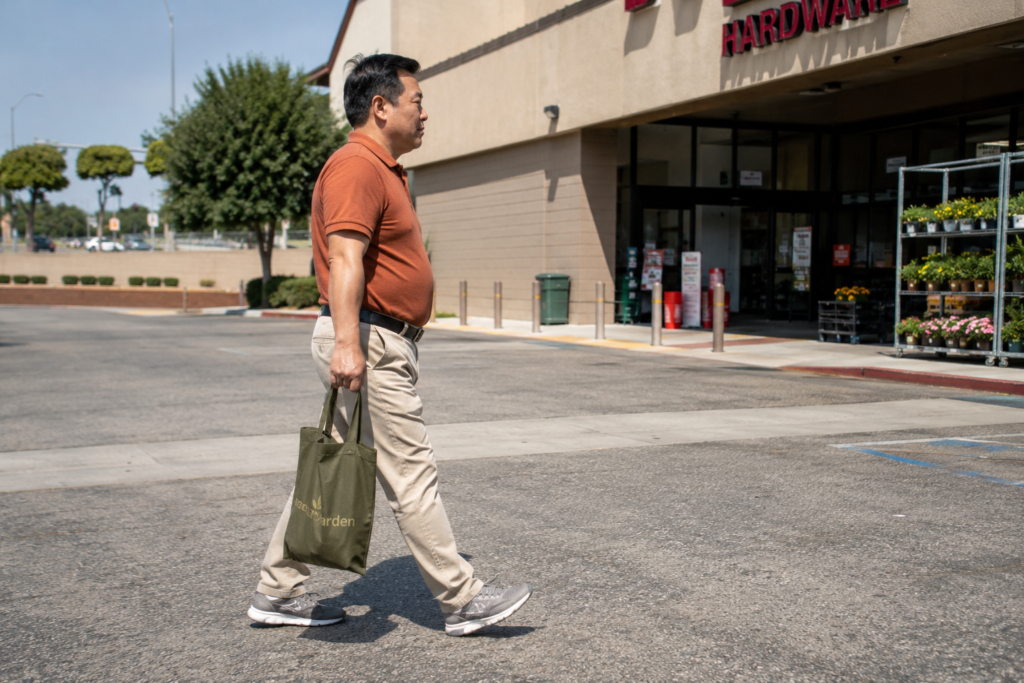
Chinos sit in a useful middle ground between jeans and dress trousers, but the cut makes or breaks them on a bigger guy. Relaxed chinos with a wide leg turn shapeless fast. Tapered chinos narrow slightly from the knee down, which gives the lower body a cleaner shape without feeling tight.
Earthy tones like stone, camel, or rust pair with almost any top and photograph well in natural light. The fit at the seat and thigh matters most. Too tight there and nothing about the rest of the trouser works.
Men often size up at the waist to get room in the thigh and end up with a waistband that gaps at the back. Look for chinos cut specifically for fuller thighs instead.
9. The Lightweight Bomber Jacket in a Muted Tone
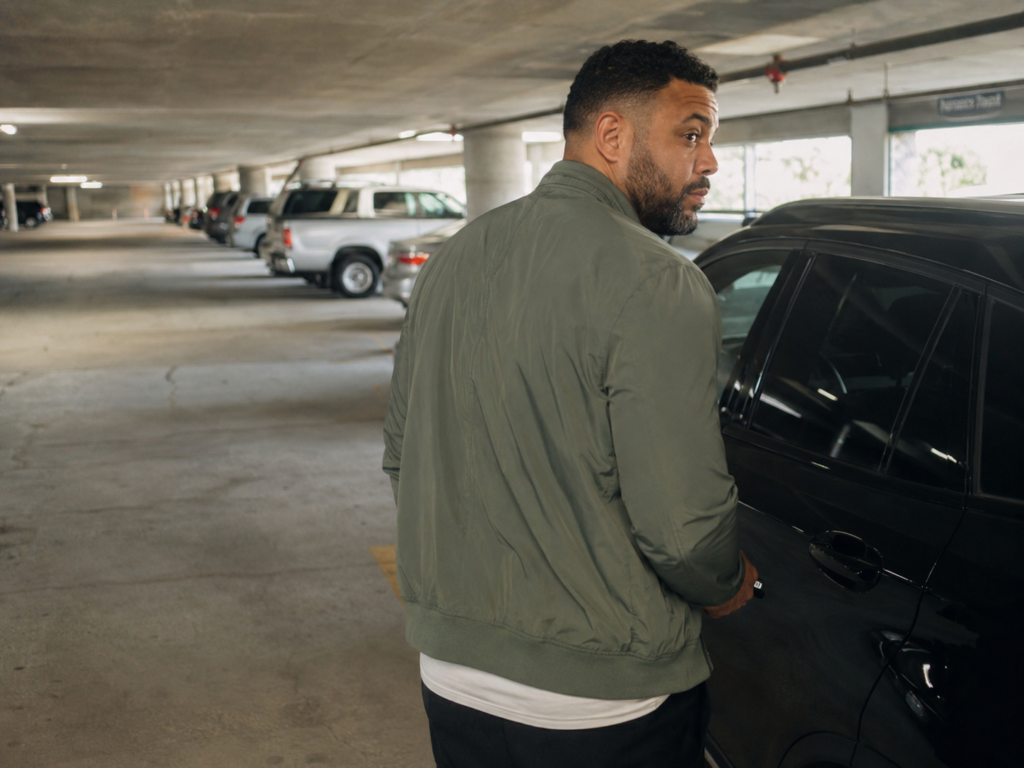
Jackets with a lot of bulk, heavy padding, or wide horizontal seams across the chest make a big frame look even wider. A lightweight bomber in a muted tone sits differently. It skims the body without adding volume, and the ribbed hem and cuffs give it shape without pulling.
Muted tones like sage, stone, or slate keep the jacket from becoming the loudest thing in the outfit. The fit should allow a layer underneath without the shoulders riding up or the zipper pulling across the chest.
Most men size up too much in bombers thinking they need room. One size too large and the shoulder seams slide down, which makes the whole jacket look sloppy.
Recommended post: Big Men Dress to Impress: 15 Looks for Job Interviews and Big Meetings
10. The Open-Collar Linen Shirt Worn Loose
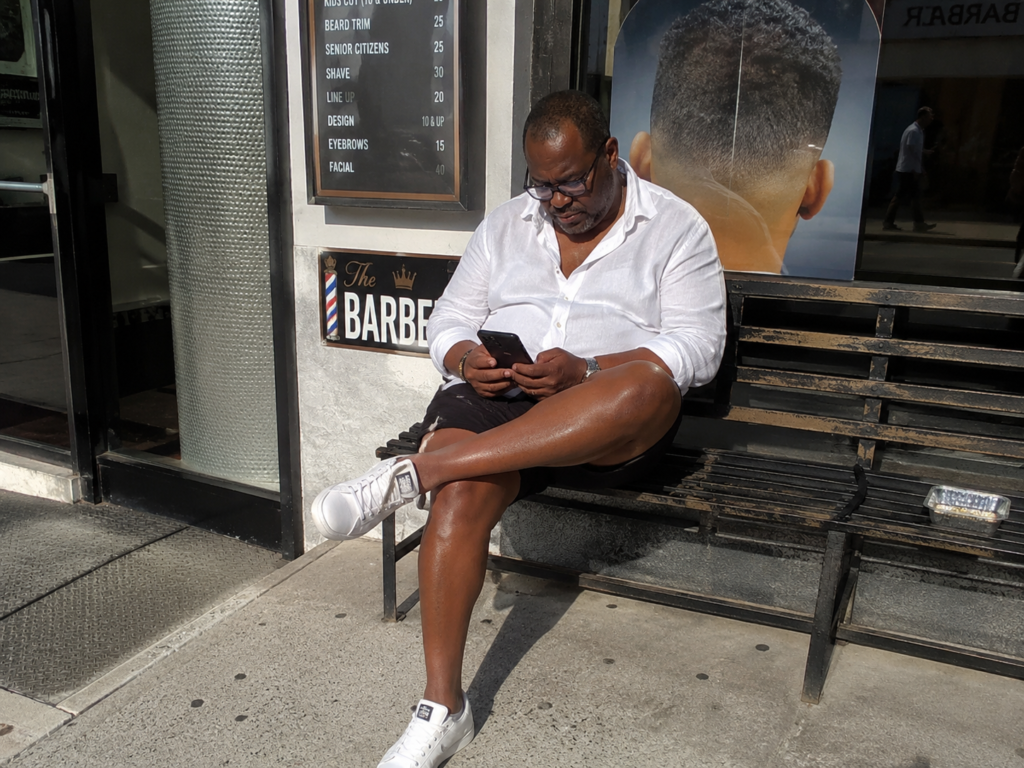
Hot weather is where a lot of big guys give up on looking put together. Linen changes that. Worn loose with the top two buttons open, a linen shirt breathes well and doesn’t stick to the body the way synthetic fabrics do. White works harder than people give it credit for in warm months.
Against darker skin tones it creates strong contrast that reads sharp rather than casual. The shirt should be long enough to wear untucked without looking unfinished, and the chest should lie flat without pulling at the buttons.
Avoid linen shirts with very stiff collars. They tend to splay outward when worn open and make the whole thing look like it needs ironing.
11. The Straight-Hem Overshirt in a Bold Pattern
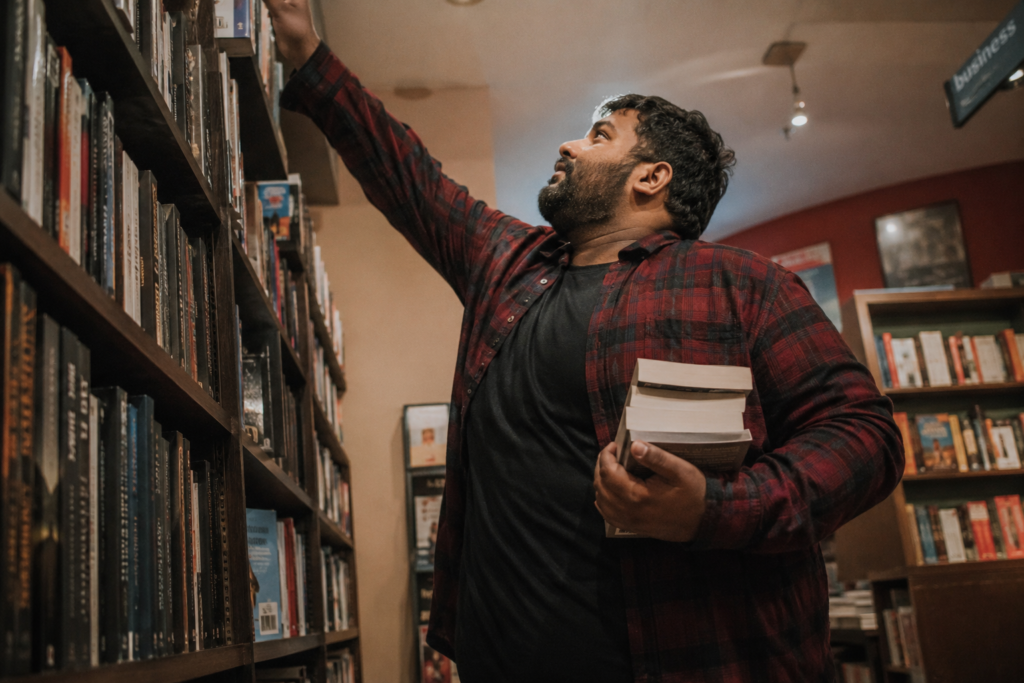
Pattern gets avoided more than it should by bigger guys, usually because the wrong pattern made something look worse once and that was enough. Scale matters more than the pattern itself. Large scale plaid or check on an overshirt works on a bigger frame in a way that tiny prints simply don’t.
Wearing it open over a solid dark tee keeps the pattern contained to the outer layer, so the eye reads the print without the whole outfit becoming busy. A straight hem lets it sit untucked cleanly, without the curved hem that makes overshirts look like they belong at a backyard cookout.
Watch the chest pocket placement. Pockets sitting too wide on a broad chest make the shoulders read even wider than they already are.
Read more: 25 Casual Plus Size Men Outfits That Actually Look Stylish
12. The Crew Neck Sweatshirt in a Heavyweight Fabric
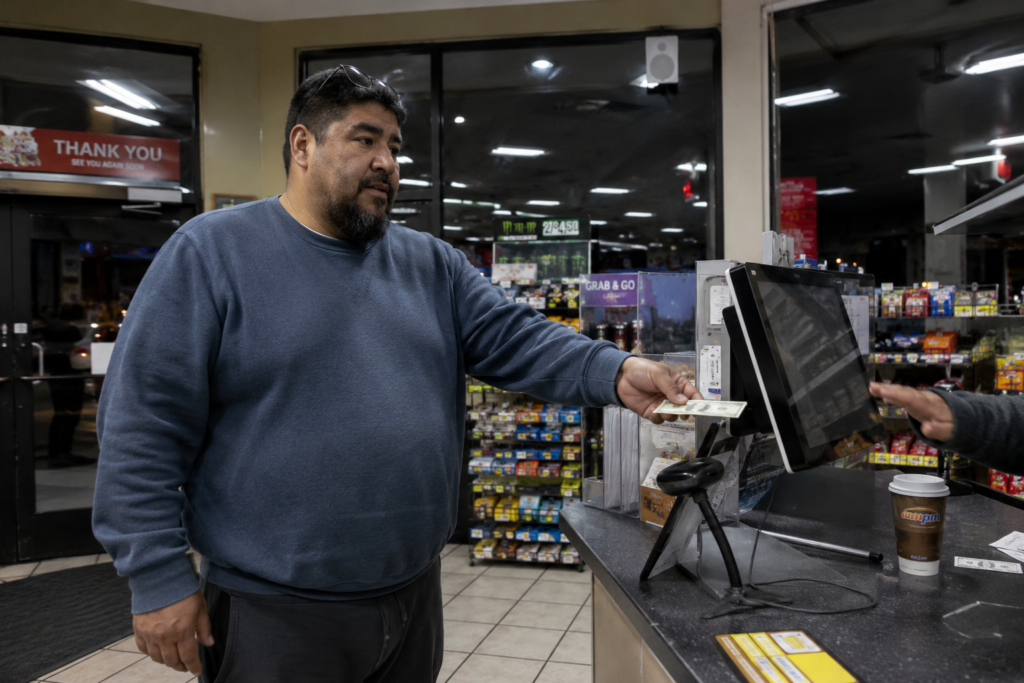
Thin sweatshirts do nobody any favors. They stretch in the wrong places, go see-through under certain light, and lose shape after a few washes. A heavyweight crew neck holds its structure. The fabric sits away from the body rather than draping over every contour, which makes a real difference on a bigger frame.
Slate blue, forest green, and washed burgundy work well because they read as intentional rather than default. The hem should hit just below the waistband of your trousers so there’s no gap when you move.
Crew necks with a very wide neckline tend to slide off the shoulder over time. Check the neck construction before buying because a sloppy neckline makes the whole shirt look worn out fast.
13. The Relaxed Dress Trouser in a Non-Black Neutral
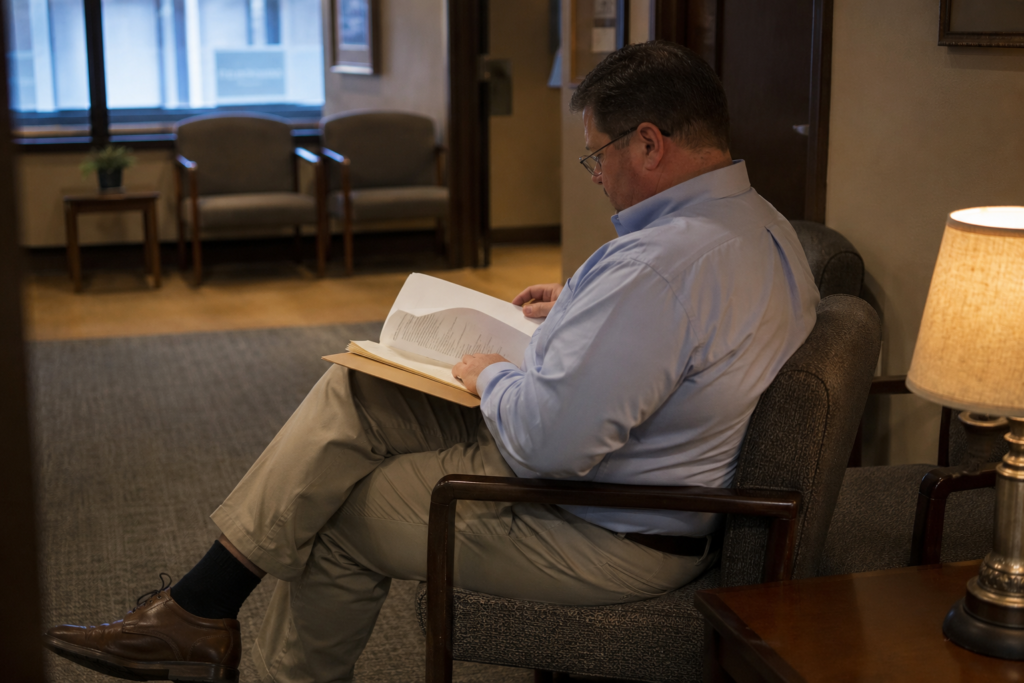
Black trousers are the default for most bigger guys who want to look dressed up, and the logic makes sense because dark colors slim. But stone, camel, and warm grey dress trousers do the same work and look more considered. Relaxed through the seat and thigh with a tapered leg from the knee down, a well-cut dress trouser in a non-black neutral pairs with almost any shirt color.
The waistband needs to sit at the actual waist, not below it. A dropped waistband on a broader midsection shortens the torso and throws off every other proportion in the outfit.
Pleated versions add too much fabric volume at the front for most big builds. Flat-front is almost always the better choice.
14. The Mock Neck Long-Sleeve in a Solid Dark Tone
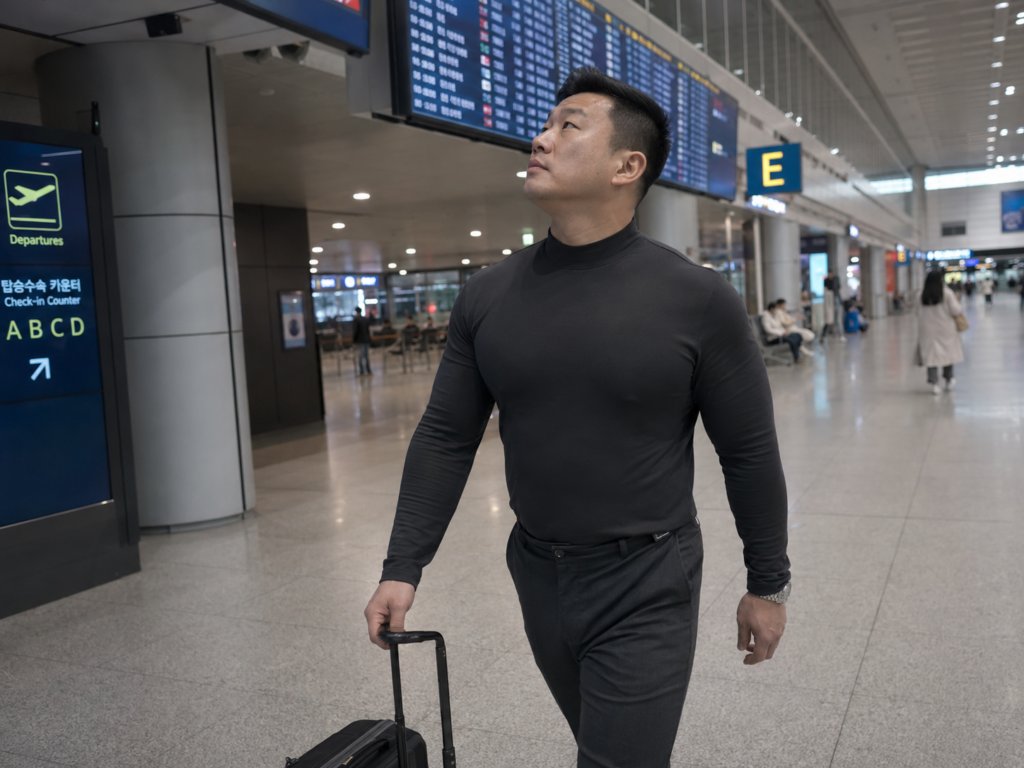
Collared shirts get all the credit for looking sharp, but a mock neck does the same work with less effort. The high collar frames the neck and jaw without requiring a tie or button-up. Dark solid tones like charcoal, black, or deep navy keep everything tight visually, and tucking it in creates a clean waistline.
Fitted through the torso does not mean tight. It means no excess fabric bunching at the sides when you stand straight. That extra fabric is what makes a big man look bigger, not the size itself.
Mock necks that are too tight around the neck look uncomfortable because they are. Make sure two fingers fit easily inside the collar before you commit to the shirt.
15. The Wide-Brim Hat Paired With a Clean Simple Outfit
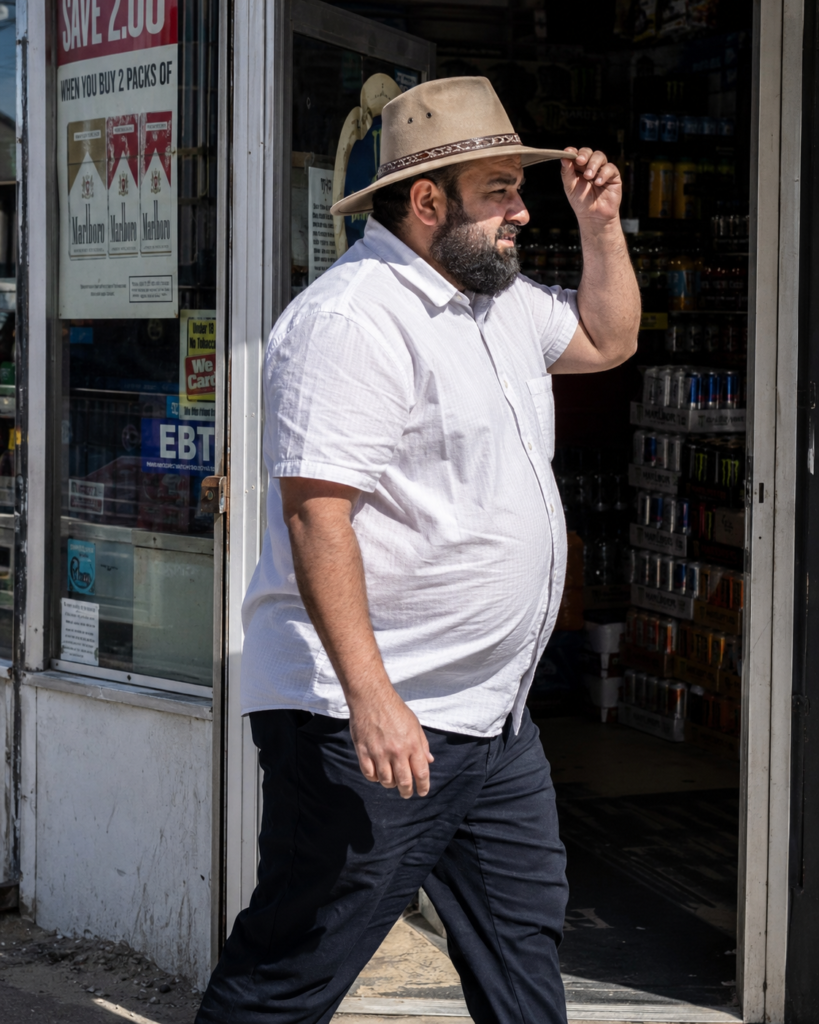
Accessories tend to be the last thing big men think about, and hats usually get avoided because nobody talks about how to wear them at size. A wide-brim hat in a neutral tone like tan, cream, or stone adds height and draws the eye upward, which shifts the proportion of the whole outfit.
The rest of the look needs to be simple when the hat is doing that work. A clean shirt and straight dark trousers let the hat read as intentional rather than costume-like. Straw or structured fabric holds shape better than soft floppy materials.
Wearing a wide-brim hat with an already busy outfit makes everything compete. Keep the clothing underneath solid and simple or the whole thing falls apart.
The Fits That Actually Work on a Bigger Frame (No, It’s Not Just “Go Bigger”)
Sizing up feels like the safe move. Most big men have done it for years, grabbing the next size just to get through the chest or the shoulders, and ending up with a shirt that fits in one place and hangs everywhere else. That trade-off has a cost. Extra fabric doesn’t hide a bigger frame. It adds to it.
Fitting well means the right measurement in the right place. Shoulder seams should sit at the edge of your actual shoulder, not sliding down your arm. The chest should have room to breathe without the sides of the shirt billowing out. Trouser legs should follow the shape of your leg without gripping or drowning it.
Different problem areas need different solutions. A shirt that’s right in the chest but too tight at the stomach can be sized for the chest and tailored at the sides. Trousers that fit the waist but pull at the thigh need a different cut, not a bigger size.
Straight cuts, slight tapers, and structured fabrics do more work for a bigger frame than anything oversized. Structured fabric holds its shape away from the body. Oversized fabric collapses against it.
Tailoring sounds expensive and complicated. Basic alterations are neither. Taking in the sides of a shirt or hemming a trouser leg costs less than most men think and changes the result completely.
Fit is a skill. Nobody is born knowing it, and most big guys were never taught it. That changes now.