Standing in a fitting room with three different sizes of the same shirt, none of them right, is a specific kind of frustrating. Something fits the chest but bags at the waist. Another pulls across the back but swamps the shoulders.
Most fashion advice skips past this problem entirely. Broad statements about “dressing for your body type” get thrown around without anyone explaining what that actually looks like on a bigger or taller frame in real clothes from real stores.
That gap is what this article fills. Each look here was chosen because it works across different big and tall body shapes, not just one. Broad shoulders, longer torsos, heavier midsections, thick legs, the combinations vary, and the advice here reflects that.
No filler. No “just wear black.” Real looks, broken down in a way that makes sense before you spend a single dollar.
1. The Earth-Tone Sherpa Jacket Over Dark Straight Denim
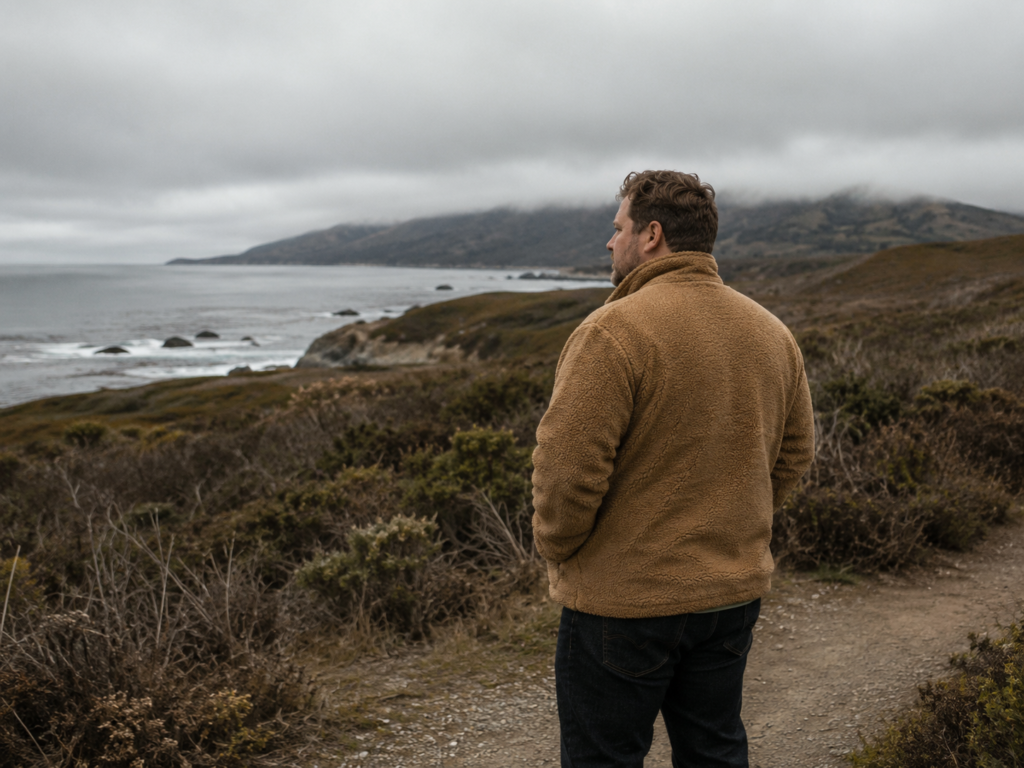
Sherpa jackets add warmth without weight, and on a bigger frame the texture does specific work. Camel and tan sherpa reads as intentional rather than sporty, which opens it up past weekend wear. Wearing it over a plain dark tee and straight dark denim keeps the bulk of the look in the jacket where it belongs, rather than distributed across every layer.
The jacket should close at the front without pulling. Across a broad chest, a sherpa that’s too small creates horizontal tension lines that make the chest look wider and the jacket look strained. Straight denim from the waist to the hem, no taper, balances the texture above without competing with it.
A sherpa jacket in a warm neutral tone is one of the most versatile cold-weather pieces a bigger man can own. Most underestimate it.
Recommended: Big Men Dress to Impress: 15 Looks for Job Interviews and Big Meetings
2. The Relaxed Linen Suit in an Off-White or Sand Tone
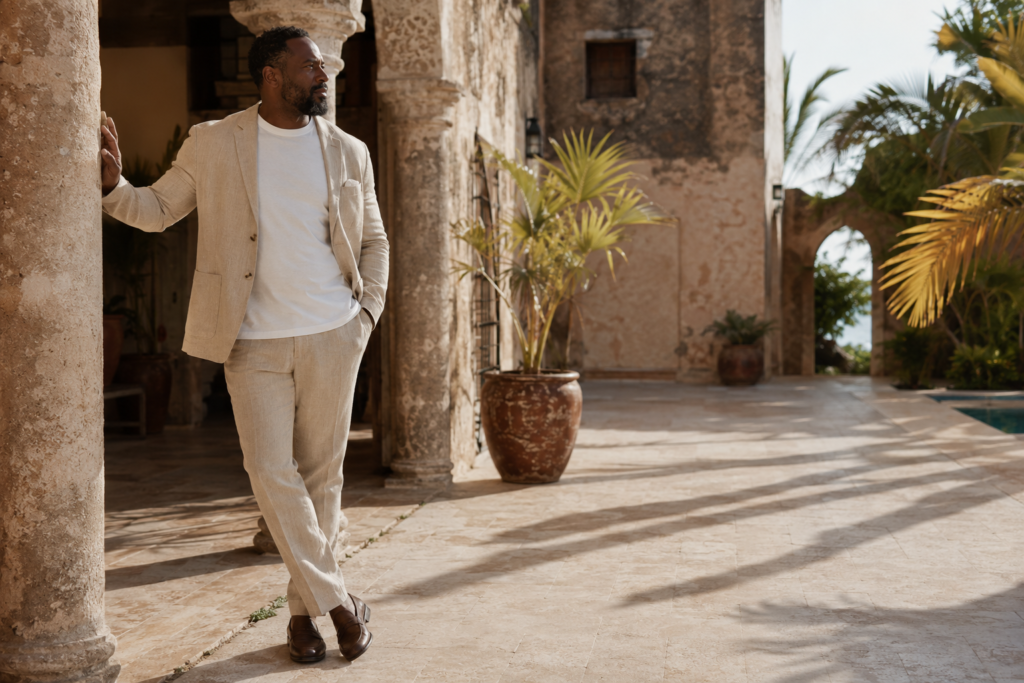
Linen suits read differently on a tall, broader frame than anything structured or synthetic. The fabric moves with the body instead of against it, which matters when you have a long torso or wide shoulders that make fitted jackets pull and bunch. Sand and off-white tones keep the look light without washing out darker skin.
Wearing the jacket open over a plain white tee removes the formality while keeping the shape. The trouser should break right at the ankle, no longer, because extra length on a tall man reads as an afterthought rather than a choice.
A linen suit worn with the right fit makes a bigger man look like he dressed with intention. That confidence reads before anyone clocks the details.
3. The Longline Puffer Vest Over a Heavyweight Rollneck
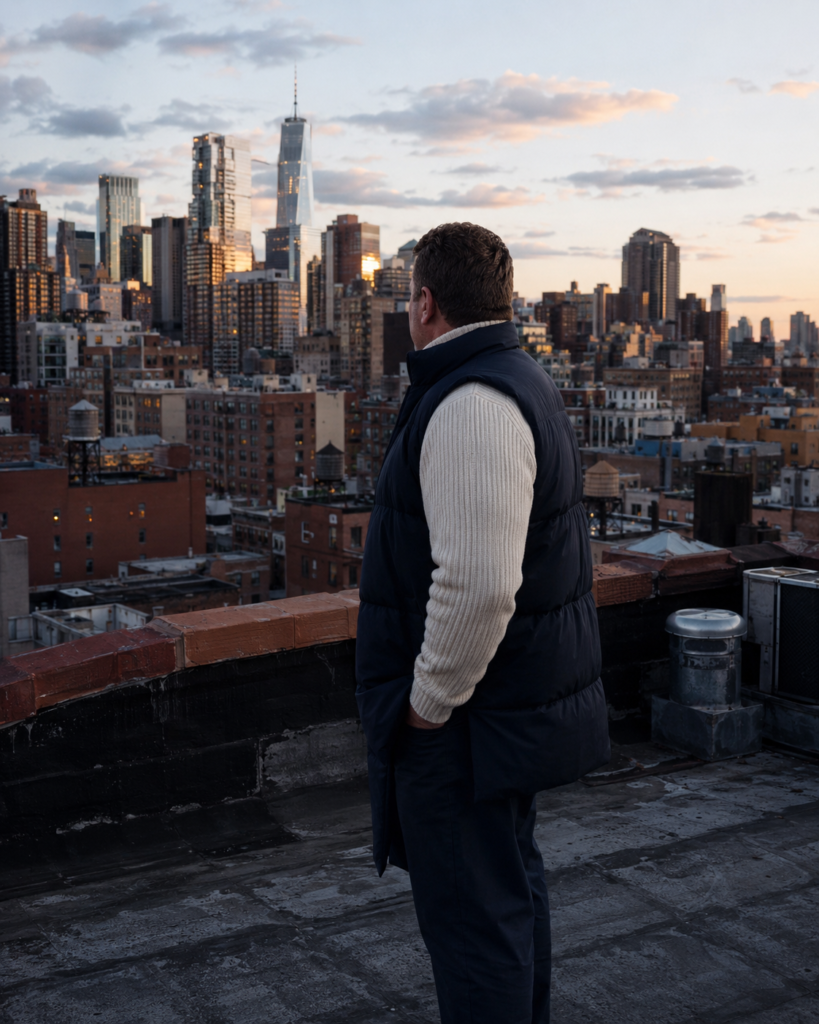
Vests get dismissed as a half-measure, something to wear when you couldn’t commit to a jacket. On a broader, stockier man they do something specific that a full jacket doesn’t: they add a vertical layer of structure through the torso without adding bulk to the arms. A longline cut drops below the hip, which lengthens the body significantly on a shorter broad frame.
Dark navy over cream creates a clean tonal contrast that keeps the eye moving up rather than across. The rollneck underneath fills the neckline in a way that reads as intentional. Puffer vests with very wide baffles add horizontal volume across the chest, so narrower baffle construction works better here.
The longline puffer vest is one of the few cold-weather pieces that genuinely adds proportion to a broader build rather than fighting it.
You may want to read: Plus Size Men Street Style Looks to Steal Right Now
4. The Longline Cardigan in a Solid Neutral Over Black Fitted Basics
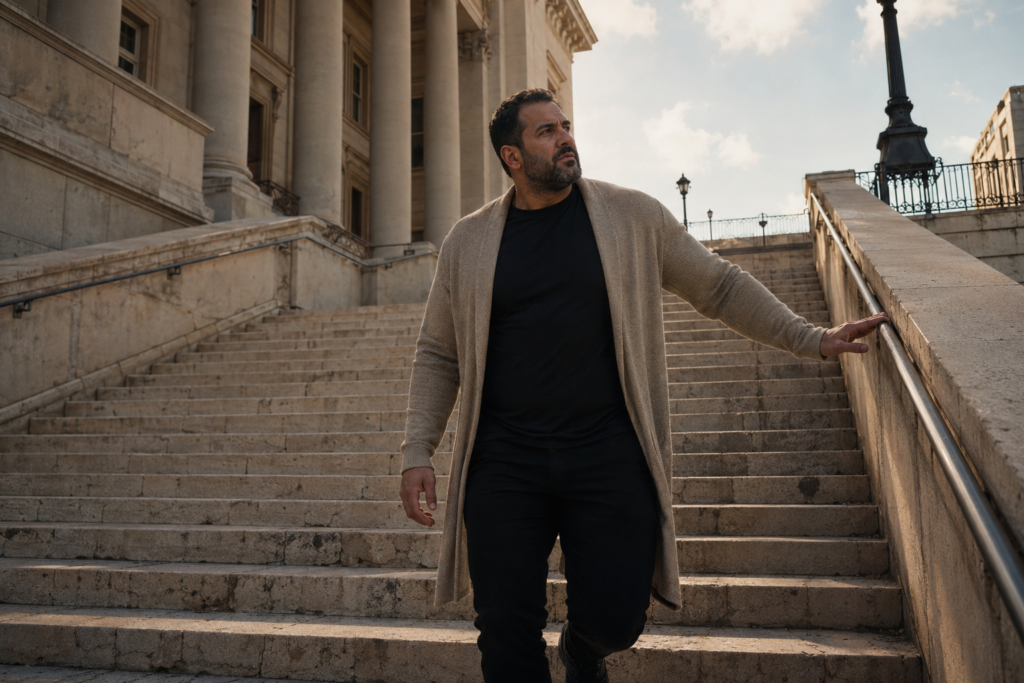
Longline cardigans work on bigger frames because they add vertical length to the silhouette rather than horizontal volume. Open over all-black basics, the cardigan frames both sides of the body with a neutral border that draws the eye down rather than across. Stone, oatmeal, and warm grey are the tones that do this best because they contrast cleanly against black without competing with it.
The cardigan should fall to mid-thigh or just below. Shorter than that and it becomes a regular cardigan. Longer and it starts to overwhelm a compact or shorter frame. Chunky knit construction adds texture without adding real bulk as long as the silhouette stays lean through the body.
All-black underneath a longline neutral cardigan is one of the cleanest and most proportion-flattering combinations a bigger man can wear, and it takes under two minutes to put together.
5. The Tailored Overshirt in a Deep Plaid Worn as a Lightweight Jacket
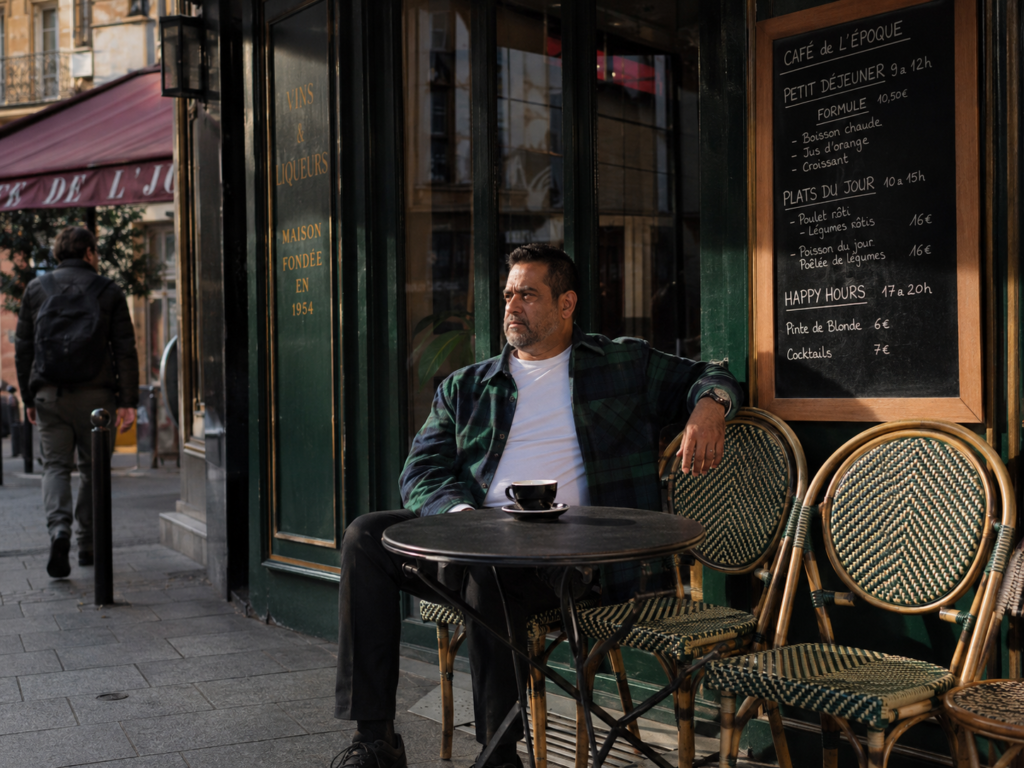
Wearing a tailored overshirt as a jacket changes everything about how it reads. Open over a fitted white tee, it frames the body vertically on both sides, creating two clean lines from shoulder to hem. Deep plaid in green and navy carries enough visual weight to work as an outer layer without needing structure from padding or stiff fabric.
On a taller man with a long back, the hem needs to hit at or just below the hip, not above it, or the proportions of the torso get cut short. The plaid scale should be large enough to read clearly across a broader chest. Small tight checks get lost and look like texture rather than pattern.
A tailored plaid overshirt worn open is one of the sharpest casual looks a big and tall man can put together with almost no effort.
Bookmark for later: Big Men Fashion Ideas That Prove Style Has No Size Limit
6. The Relaxed Tailored Blazer in a Soft Unstructured Fabric
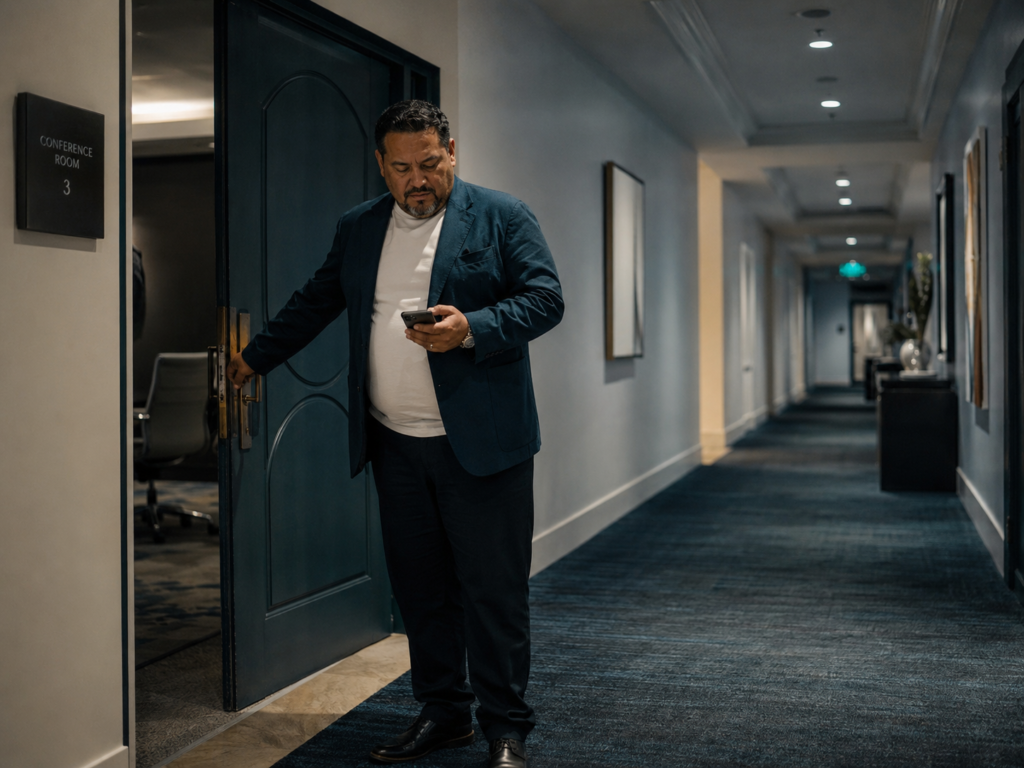
Unstructured blazers remove the problem that kills most blazers on bigger men: the pull across the back and the tension at the button. Soft unstructured fabric drapes over the shoulders rather than fighting them, which means the jacket lies flat from the back even on sloping or broad shoulders.
Teal, olive, and deep burgundy in an unstructured cut land somewhere between casual and sharp that works across a wide range of situations. Wearing it over a fitted white tee rather than a dress shirt removes the formality without removing the shape. The blazer should close without any visible tension across the chest. If it pulls there, no amount of tailoring elsewhere fixes the fit.
An unstructured blazer in a strong color over a white tee is the fastest way a bigger man can look dressed without feeling dressed up.
7. The Oversized Coach Jacket Over a Fitted Monochrome Base
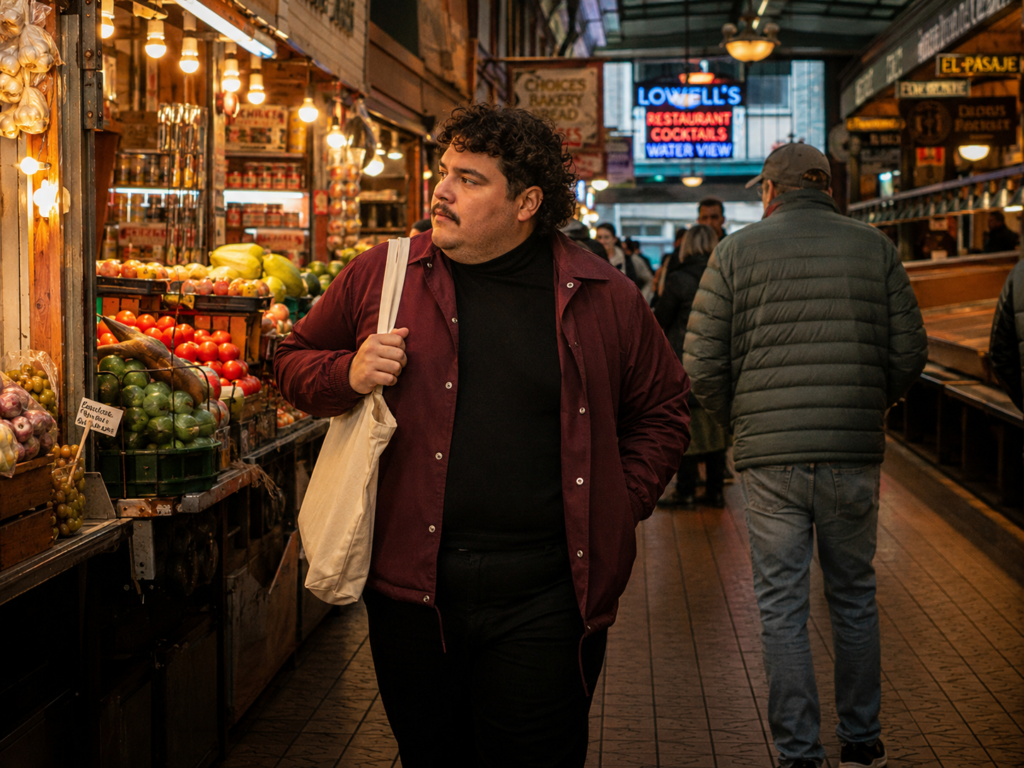
Shorter big men lose proportion fast when the outer layer is the same length as everything underneath. A coach jacket solves this because it sits at the hip rather than dropping below it, which keeps the eye moving rather than stopping at the widest point.
Wearing it over a fitted monochrome base, same color top to bottom underneath, creates a single vertical line that the jacket then frames rather than interrupts.
Burgundy works particularly well here because it reads as rich without shouting. The jacket should be relaxed but not swimming. Shoulders sitting at the actual shoulder line, not hanging off it.
Monochrome underneath a statement outer layer is one of the smartest proportion tricks a shorter, broader man can use. Most skip it because it sounds complicated. It isn’t.
Read more: 25 Casual Plus Size Men Outfits That Actually Look Stylish
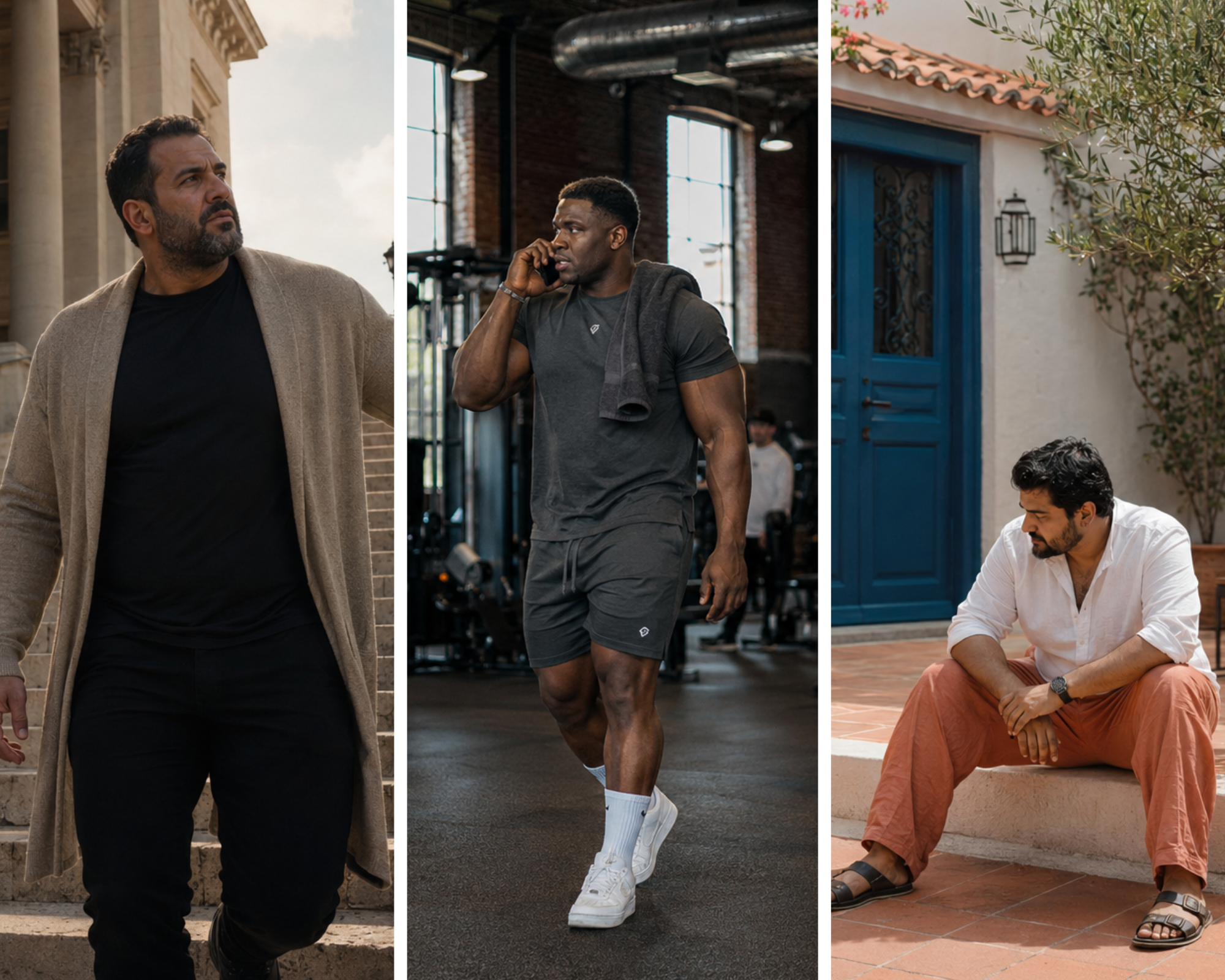
8. The Dark Gym Set With a Structured Fit Worn Outside the Gym
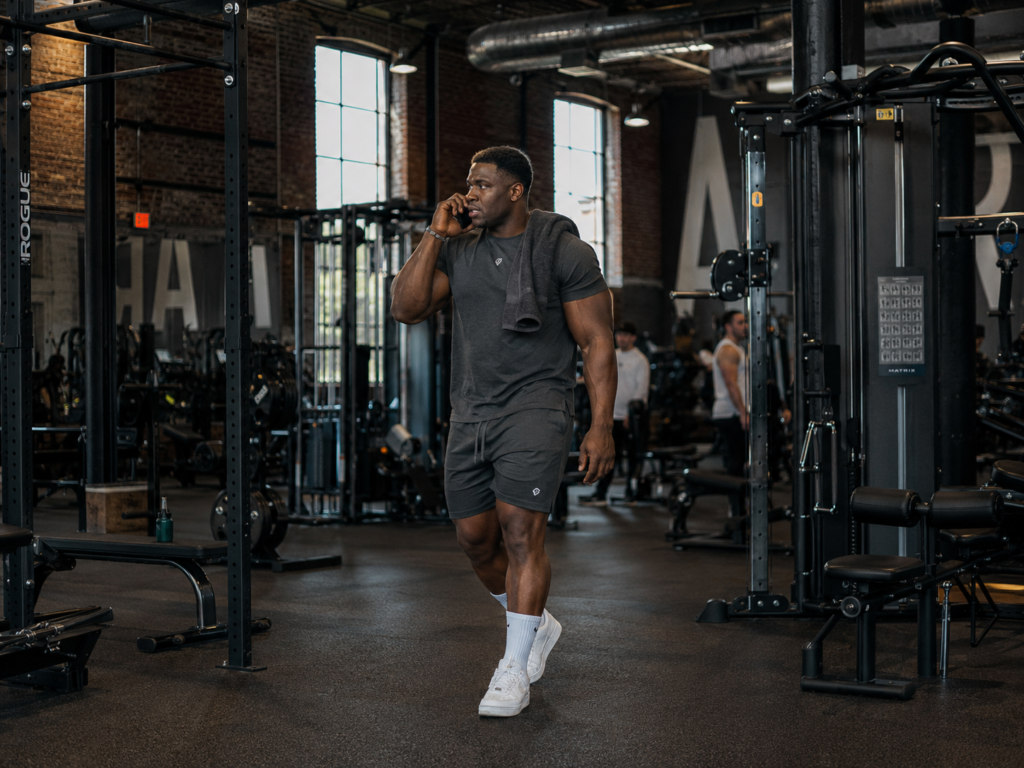
Gym wear on a powerfully built frame only works when the fit is structured rather than baggy. Oversized gym sets add shapelessness to a body that already carries a lot of visual weight. Dark grey or black matching sets in a fitted performance fabric follow the body’s shape without gripping.
On a very broad, muscular build, the tee needs to fit through the chest and shoulders without stretching at the seams. Shorts hitting just above the knee keep the leg proportion clean without cutting the thigh at its widest point. Matching the top and bottom in the same tone creates the same lengthening effect as a monochrome outfit, even in a gym context.
A fitted matching gym set on a powerfully built man looks deliberate and strong. Baggy separates on the same frame look like he couldn’t find his size.
9. The Wide-Leg Tailored Trouser Paired With a Fitted Knit Top
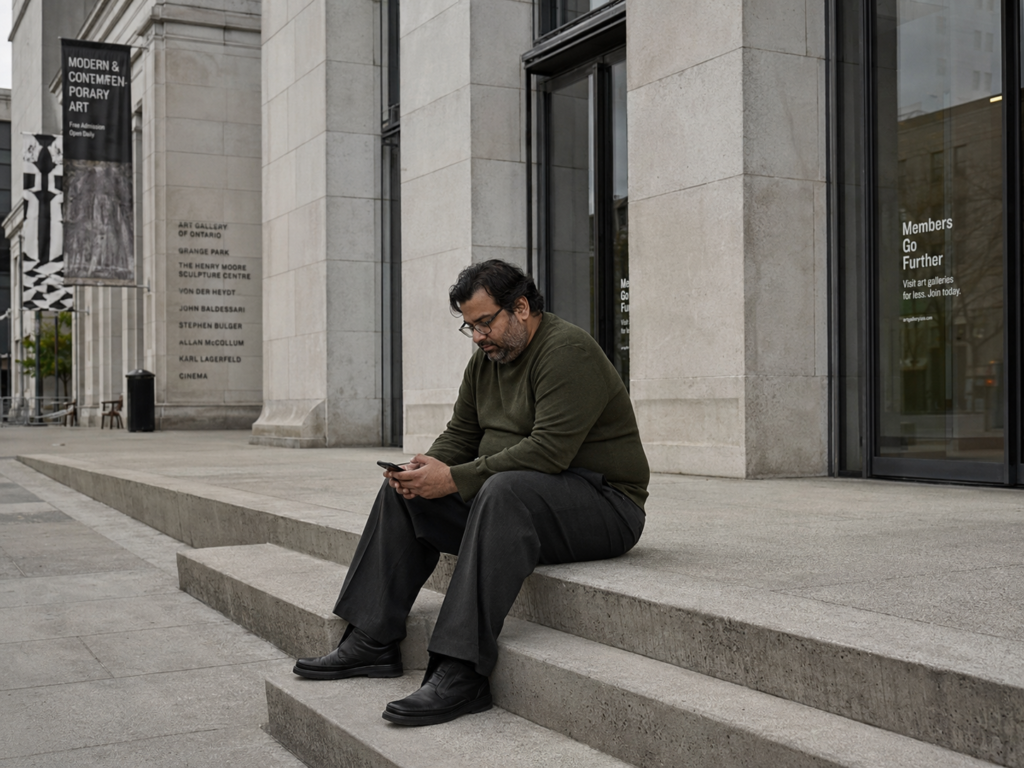
Wide-leg trousers sit differently on a tall frame than they do on a shorter one, and that difference works in favor here. On a taller man with a heavier build, the wide leg creates visual balance between the upper and lower body rather than making the bottom half look overwhelming. Charcoal or deep navy keeps the trouser from drawing too much attention downward.
The knit top needs to be fitted through the torso, not tight, just following the body without excess fabric at the sides. Tucked in or half-tucked both work. What doesn’t work is a loose top over wide trousers because the whole silhouette becomes one undifferentiated mass.
A fitted top over a wide-leg trouser is one of the few combinations that genuinely flatters a taller, heavier build at every angle. Trust the contrast.
Read also: Tailored Business Casual Outfits for Plus Size Men That Actually Fit
10. The Technical Trouser in a Slim Straight Cut With a Clean Minimal Trainer
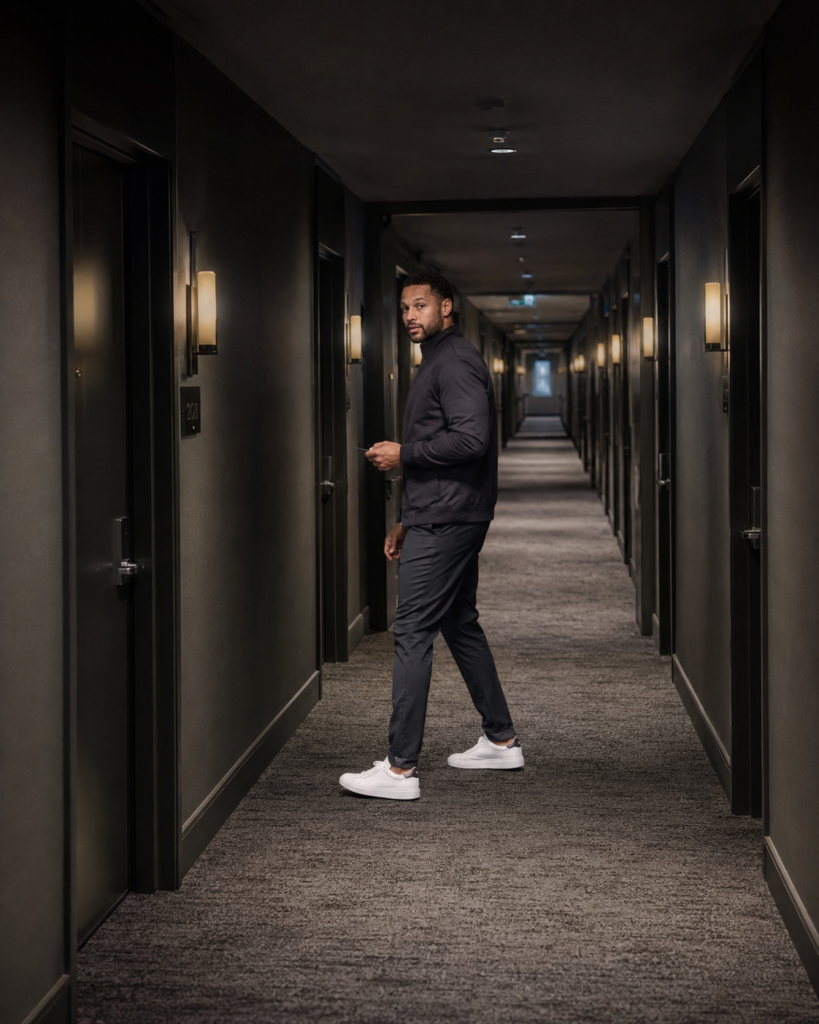
Technical trousers in a slim straight cut sit closer to the body than chinos but move more freely than denim, which matters on a frame where comfort and appearance need to coexist. Deep slate or dark navy reads as sharp without requiring a formal upper half.
The slim straight cut keeps the leg line clean without gripping at the thigh or calf. Paired with a clean minimal white trainer, the look reads as considered rather than casual. No chunky sole, no heavy branding. On a taller man, the trouser length needs to break cleanly at the ankle, just grazing the top of the shoe, not pooling above it or cutting the leg short.
When the trouser and trainer work together as one clean lower half, the whole outfit lifts. Most men get this wrong by breaking the line with the wrong footwear.
11. The Printed Short-Sleeve Camp Collar Shirt Worn Open
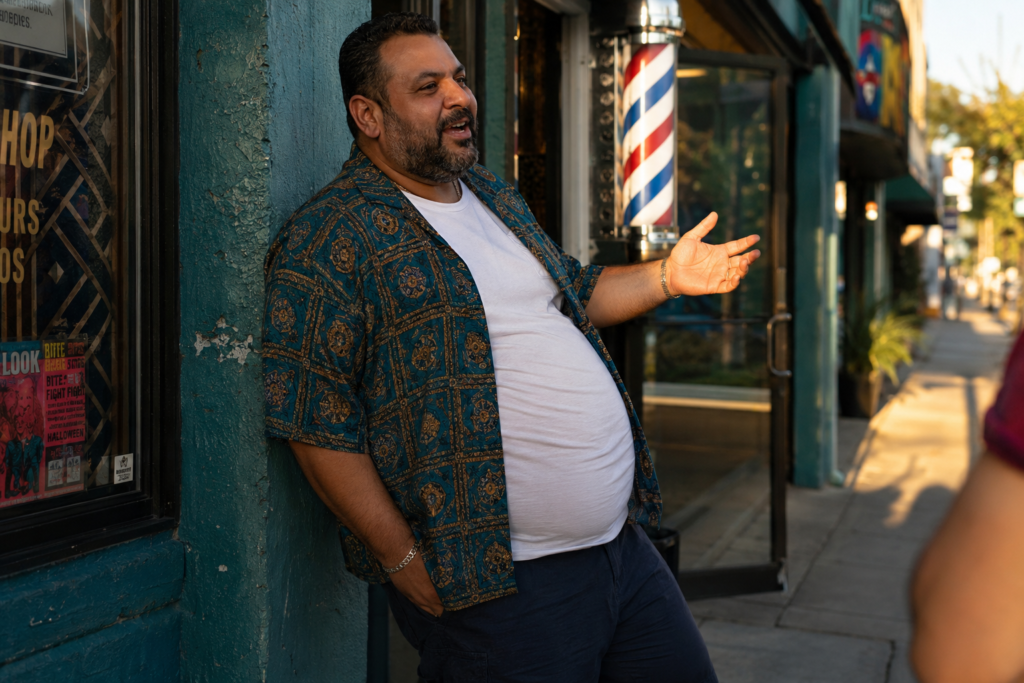
Camp collar shirts worn open function as a lightweight outer layer rather than a shirt, and that shift in thinking changes how you wear them. Over a plain fitted tee, the open shirt frames the body vertically on both sides, which creates a slimming channel of color down the center. Deep, saturated prints in teal, ochre, or rust work on bigger frames in a way that washed-out or pale prints don’t.
The pattern needs scale. Small repeating prints get lost across a broader chest and read as texture rather than design. A straight hem lets the shirt sit untucked cleanly. The tee underneath should be fitted enough that the open shirt doesn’t become one large shapeless layer.
Pattern is not the enemy on a bigger frame. Wrong scale is. Get the scale right and a printed camp shirt becomes one of the easiest things a big man can wear.
Pin for later 20 Plus Size Groom Outfits That Are Absolutely Breathtaking
12. The Waxed or Quilted Gilet Over a Chunky Roll Neck
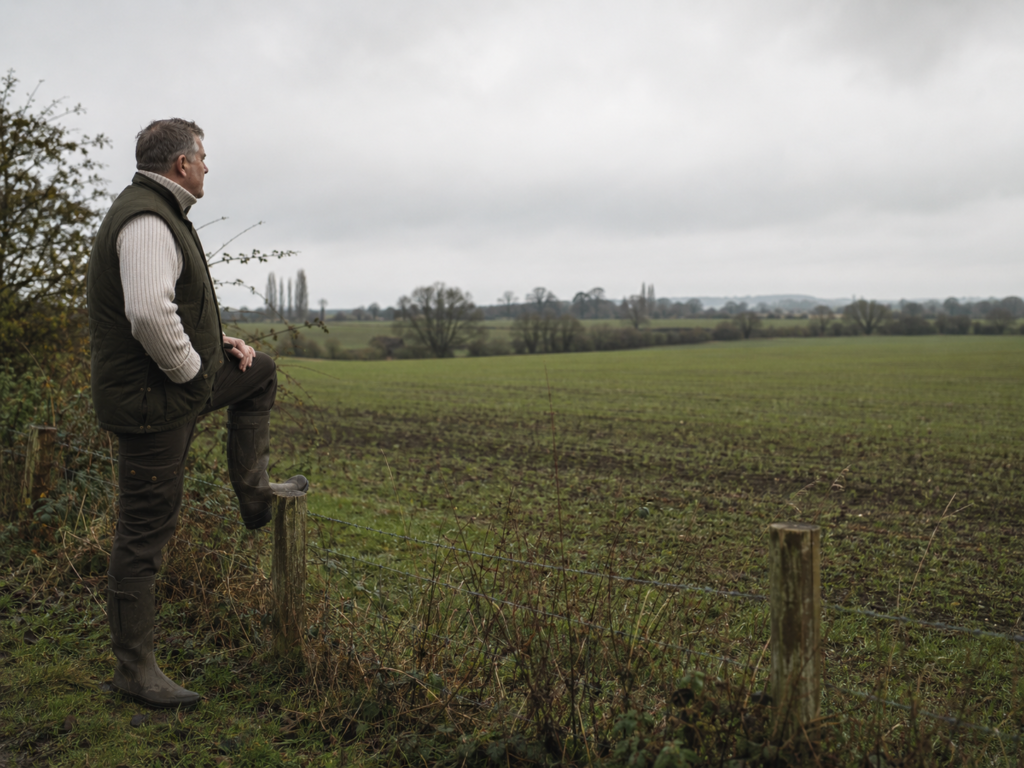
Gilets sit at the hip and leave the arms uncovered, which does something specific for a broad, tall frame. Keeping the bulk of the layering through the torso rather than the arms lets the shoulders and arms read in proportion to the body rather than getting swamped by fabric. A waxed or quilted finish in dark olive or navy adds visual weight through the torso that grounds the overall silhouette.
Underneath, a chunky cream roll neck fills the neck and chest with warmth and texture without requiring another outer layer. The contrast between the cream knit and the dark outer layer creates strong vertical definition. On a barrel-chested man, this combination reads as solid and intentional rather than bulky.
A gilet over a roll neck is one of the few cold-weather combinations that adds presence to a bigger frame without making it look overdressed or layered for the sake of it.
13. The Dark Slim Chino Paired With a Structured Half-Zip Pullover
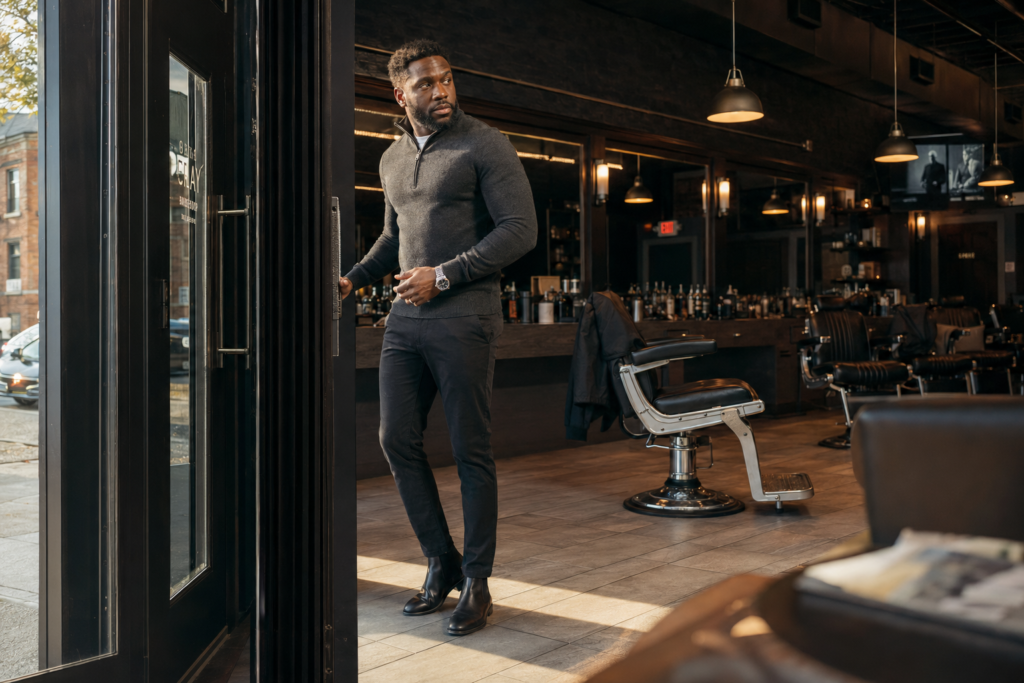
Slim chinos on a bigger man only work when the cut is right through the seat and thigh. Too tight there and the trouser fights the body. Too loose and the slim label means nothing. Dark tones, charcoal, deep navy, or black, keep the leg reading as a clean line rather than drawing attention to volume.
A structured half-zip pullover adds a defined layer through the torso without the formality of a blazer. The half-zip creates a vertical detail at the chest that breaks up a broad upper body. Fabric with some body, a dense knit or structured fleece, holds the shape rather than softening into the stomach.
Structure through the upper body balances a bigger chest and shoulders in a way that a loose sweatshirt never will. The half-zip is underused and underrated.
14. The Heavyweight Cotton Sweatshirt in a Faded Earthy Tone Styled With Tailored Trousers
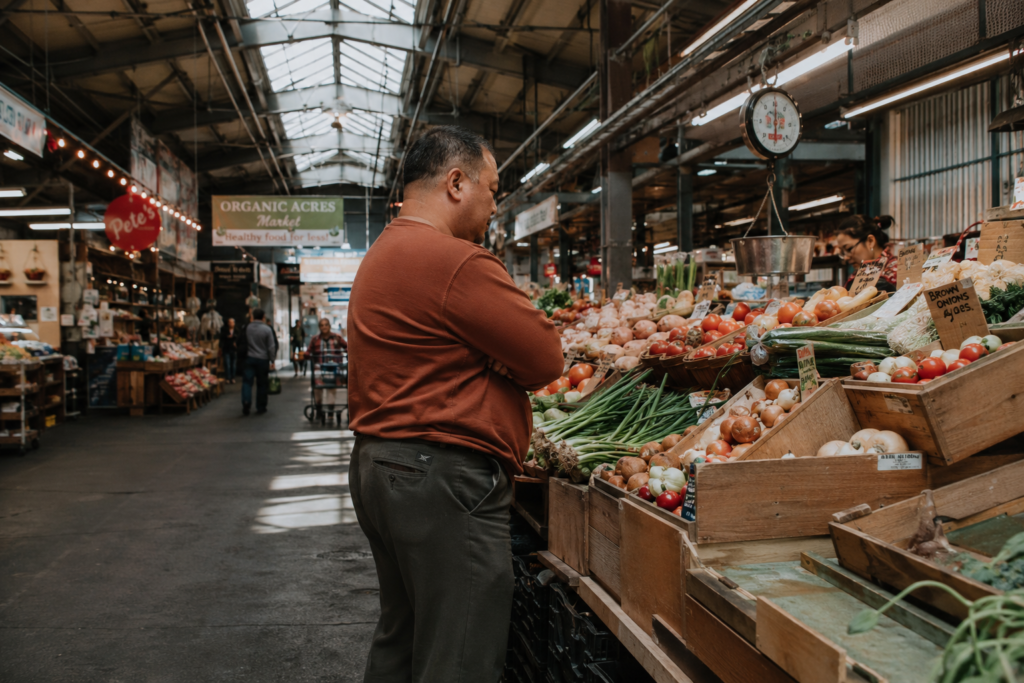
Faded earthy tones on a heavyweight sweatshirt read differently from a brand new bright one. The washed-out quality of rust, clay, or sage makes the sweatshirt look like a piece with history rather than a basic. Front-tucking it into tailored trousers is the move that makes the combination work.
It creates a defined waistline on a frame where the waist can get lost under fabric, and it signals that the look was put together with thought rather than grabbed in a hurry. On a shorter, broader build, the half-tuck keeps volume at the top without shortening the leg. The trouser needs a clean drape, no heavy pleating or wide leg, to balance the casual weight of the sweatshirt above.
Mixing a casual top with tailored trousers is the combination most big men avoid because it feels risky. It is actually one of the most forgiving combinations there is.
15. The Loose Linen Trouser in a Warm Tone Worn With a Fitted White Shirt
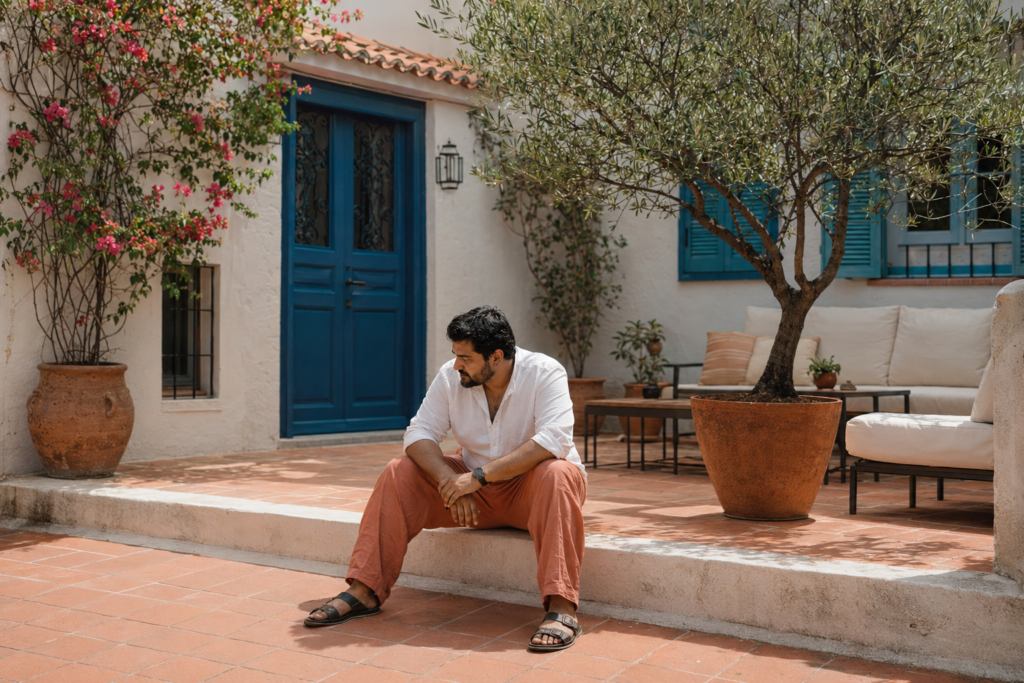
Loose linen trousers in a warm tone work on a heavier midsection because the fabric falls away from the body rather than clinging to it. Terracotta, warm sand, and clay read as warm and considered, which changes how the looseness reads. Paired with a fitted white linen shirt tucked in, the look has a defined upper half that stops the whole outfit from reading as oversized.
Sleeves rolled to the elbow add a casual detail that keeps the fitted shirt from looking stiff. The trouser waistband needs to sit at the natural waist, not dropped. Dropped waistband on a softer midsection shortens the torso and throws the proportion of the whole look off immediately.
Loose on the bottom, fitted on top. That single rule solves more proportion problems for heavier men than any other combination in warm weather dressing.
The Proportion Problem Nobody Talks About (And Why Big and Tall Are Not the Same Thing)
Big and tall are two different problems. Most advice treats them as one, and that is where it goes wrong.
A heavier man needs to manage horizontal volume. Rules about dark colors, vertical lines, and fitted silhouettes exist because they reduce the eye’s tendency to read width. Those rules work. Apply them to a tall man with a lean frame and the result looks stiff and underdressed, because a taller frame needs clothes that fill it out rather than minimize it.
Longer proportions change everything. On a tall man, a regular-length blazer hits too high on the hip and makes the legs look disproportionate. Trouser breaks matter more at a greater height because extra length reads as intention rather than accident. Fabric and texture can add presence to a frame that needs more visual weight, not less.
Now combine both. A man who is big and tall carries height and width at the same time, which creates a third set of problems neither camp fully addresses. Vertical length needs to be honored while horizontal volume still gets managed. Longline pieces help here because they serve both needs at once.
Getting this wrong is not a personal failure. Standard advice was written for one problem at a time. Real bodies carry more than one at once, and the fix has to account for that.
Know which problem is yours first. Then apply the rules built for it.